

Prediction Markets Await a Supreme Court Decision as Legal Filings Mount
The U.S. Supreme Court has not said whether it will hear cases involving prediction markets, while related legal and regulatory filings continue to accumulate.
By Chloe ·
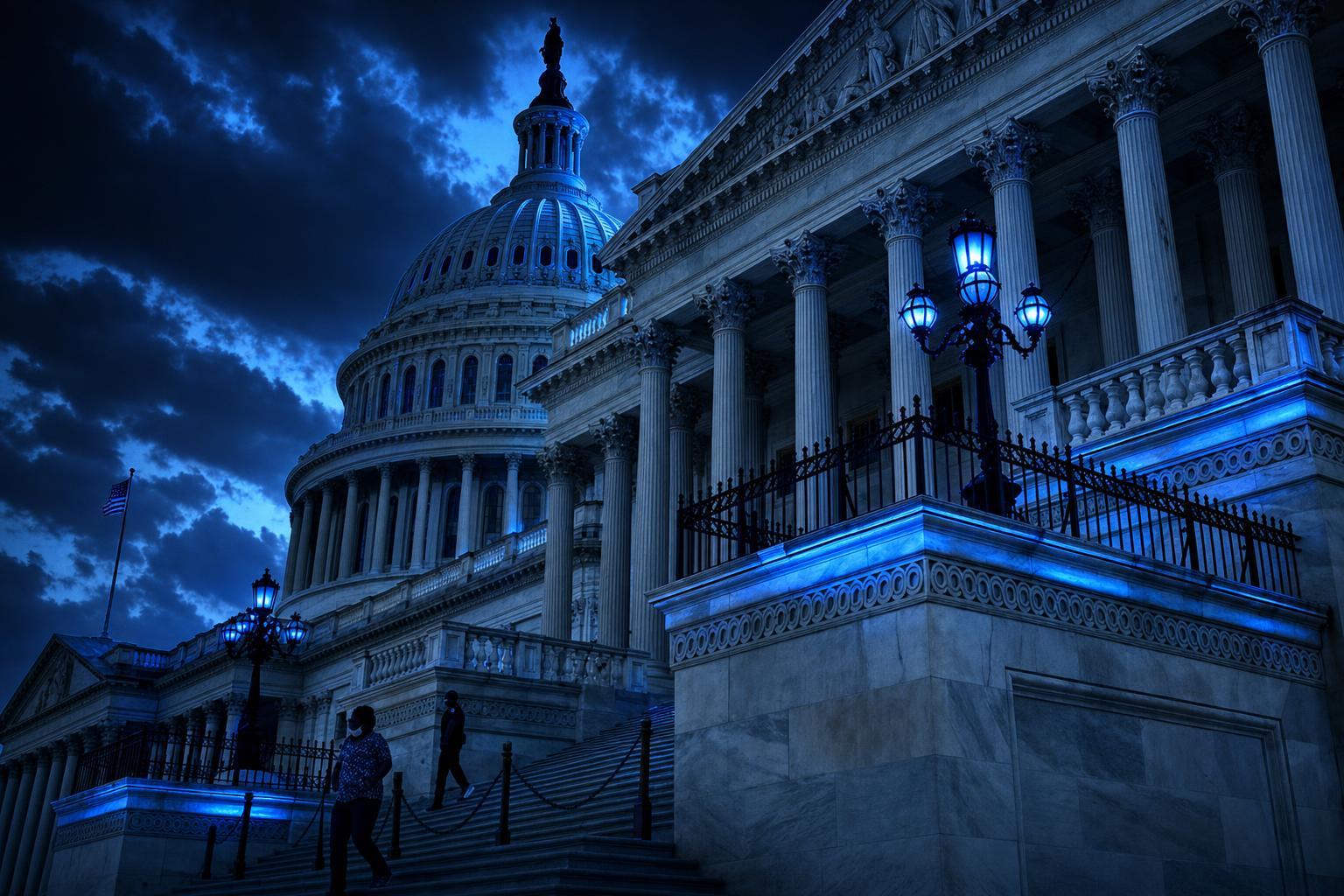
The legal future of prediction markets remains unsettled as the U.S. Supreme Court considers whether to take up cases involving the sector. The court has not indicated whether it will hear the disputes, leaving the next major step in the matter unresolved.
Even without a decision from the justices, activity around the cases has expanded. The proceedings now include several amicus briefs, an interim final rule and a separate rule proposal. Together, those filings show that the questions surrounding prediction markets are being addressed through both the courts and the regulatory process.
Why the filings matter
Amicus briefs are submissions from parties that are not directly involved in a case but want to provide arguments or context for the court to consider. Their presence indicates that the disputes have drawn interest beyond the immediate litigants, although the briefs do not determine whether the Supreme Court will accept the cases.
The interim final rule and the proposed rule add a separate layer to the uncertainty. An interim final rule is a regulatory measure that takes effect while the broader rulemaking process continues, while a proposed rule sets out a possible approach for future consideration. Their inclusion in the developing picture means the market is facing questions that are not limited to judicial review.
The decision still pending
For prediction-market operators, participants and observers, the central near-term question is whether the Supreme Court will agree to hear the cases. Until the court provides an indication, the legal record will continue to develop through the existing briefs and rulemaking actions.
The combination of court filings and agency action makes the issue important beyond a single proceeding. A Supreme Court decision to take up the cases could bring the disputes before the country’s highest court, while a decision not to do so would leave the existing legal and regulatory processes as the main venues for resolving the questions.
Source: Coindesk