

XRP’s Long-Term Performance Trails Bitcoin and Ether
XRP remains below its 2017-cycle high, in contrast with bitcoin, ether and other major tokens, which have since delivered stronger gains for holders.
By Chloe ·
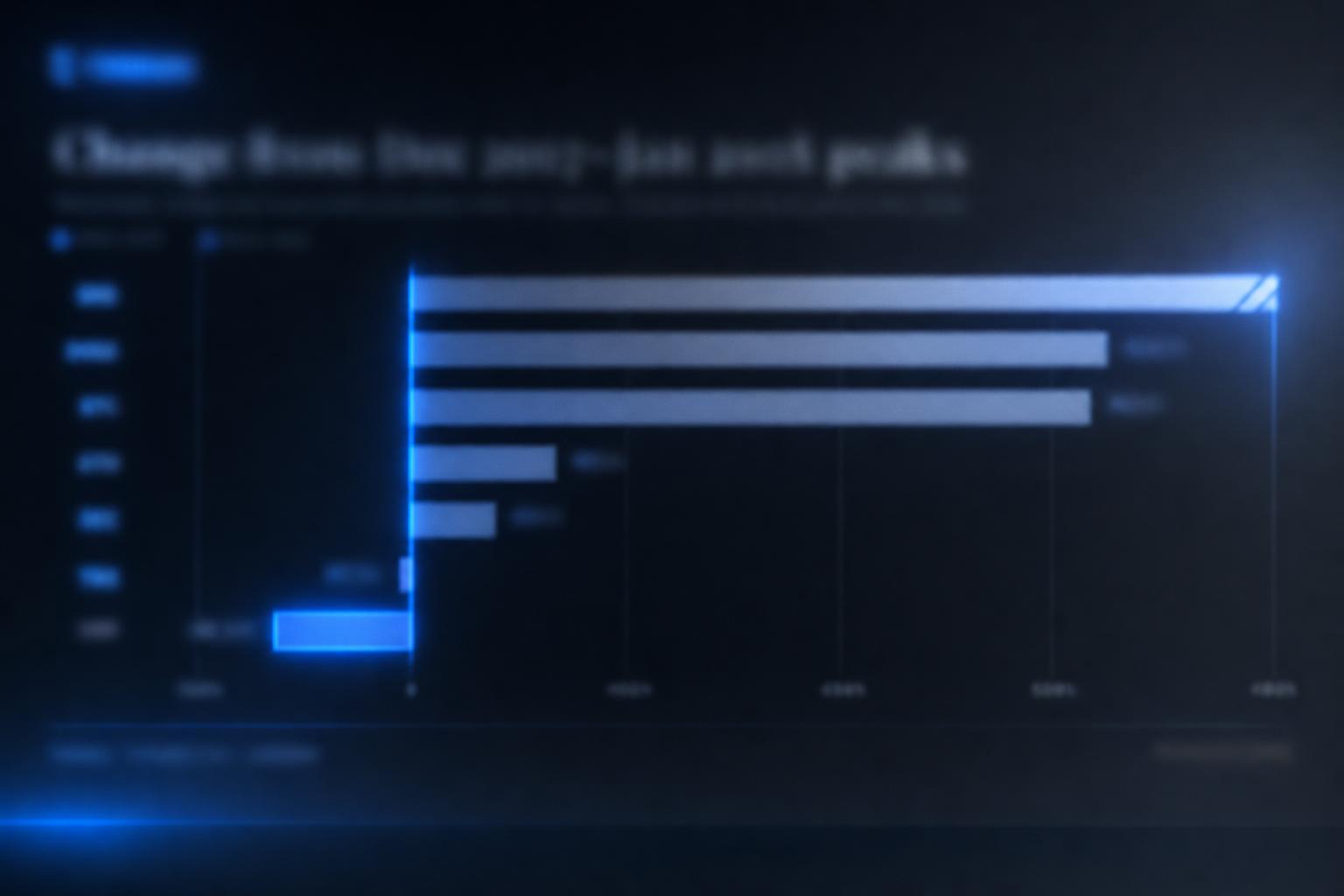
XRP’s performance over the market’s major cycles has lagged that of bitcoin, ether and several other leading digital assets. The token remains below the high it reached during the 2017 cycle, while holders of other major tokens have seen their assets rise beyond earlier market levels.
A different outcome across major tokens
The comparison is significant because the broader crypto market has produced sharply different results for holders depending on which asset they owned. Bitcoin and ether have surged from their earlier cycle levels, enriching investors who retained exposure through subsequent market moves. XRP, by contrast, has not regained its 2017-cycle high.
That gap changes how XRP’s history is viewed. A token can remain widely recognized within the digital-assets market while still delivering a weaker long-term result than the sector’s largest assets. For XRP holders, the relevant benchmark is therefore not only whether the token has posted gains at various points, but also whether it has recovered and exceeded its previous cycle peak.
Why the comparison matters
Looking across bitcoin, ether, XRP and other major tokens highlights the uneven nature of crypto-market returns. Broad market strength has not translated into identical outcomes for every asset. The fact that bitcoin and ether have moved higher while XRP remains below its 2017 high underscores the importance of comparing individual tokens rather than treating the market as a single trade.
The available information establishes the performance gap but does not identify a specific cause for XRP’s relative underperformance. It does, however, show why historical highs and full-cycle performance remain important measures for assessing how an asset has treated its holders over time.
Source: Coindesk